
How Many Calories Do You Burn Walking 10,000 Steps? A Guide for Women Aged 50+
Where does the idea of walking 10,000 steps a day come from and does it really matter? When I walk 100 steps, my husband walks only around 67 steps (we've checked), but he is a foot taller and heavier, and we cover the same distance.
WALKFIT
7 min read
Introduction to the 10,000 Steps Goal
The concept of walking 10,000 steps a day has transcended its original Japanese marketing origins to emerge as a widely embraced fitness benchmark. Initially introduced in Japan during the 1960s, the term "manpo-kei" translates to "10,000 steps meter." It was used to promote a pedometer designed to encourage physical activity among the Japanese populace. The number 10,000 was chosen primarily for its appealing nature; it is simple, memorable, and symbolizes a substantial yet achievable daily target. Over time, this target has taken on additional layers of significance, representing not just physical fitness but also a commitment to a healthier lifestyle.
The 10,000 steps goal has particularly resonated with fitness enthusiasts, especially women aged 50 and above. As individuals grow older, the importance of maintaining an active lifestyle becomes increasingly evident. Walking, a low-impact form of exercise, is accessible and can be integrated into daily routines without requiring specialized equipment or venues. For many women in this age demographic, achieving the 10,000 steps milestone serves as an attainable goal, offering motivation and structure as they pursue their health and wellness objectives.
Moreover, numerous studies underscore the health benefits associated with regular walking, including improved cardiovascular health, enhanced mood, and reduced risk of chronic diseases such as diabetes and hypertension. Women over 50, in particular, may find that walking serves as an excellent means to combat age-related challenges, manage weight, and elevate overall well-being. The popularity of the 10,000 steps benchmark is thus not merely anecdotal; it reflects a broader understanding of the role physical activity plays in maintaining health and vitality during the later stages of life.
Calories Burned Walking 10,000 Steps
The number of calories burned while walking 10,000 steps can significantly vary based on individual factors such as body weight, muscle mass, and walking speed. Understanding these factors is essential for anyone aiming to set fitness goals or enhance overall health, particularly for women aged 50 and above.
To provide a clearer picture, a woman weighing approximately 155 pounds may burn close to 400-500 calories by completing 10,000 steps at a moderate pace of about 3 to 4 miles per hour. Conversely, an individual who weighs around 200 pounds may burn approximately 500-600 calories during the same activity. The difference in calorie expenditure is largely attributed to the additional effort required to move a larger body mass, highlighting the importance of body weight in determining caloric burn.
Furthermore, walking speed also plays a crucial role in calorie burn. A brisk walking pace, averaging around 4 to 5 miles per hour, can increase calorie expenditure by approximately 20-30% compared to a leisurely stroll. For instance, if a 155-pound woman walks at a brisk pace, she could burn up to 600 calories by completing 10,000 steps, showcasing how significantly walking intensity impacts caloric burn.
It's important to note that muscle mass contributes to the overall efficiency of burning calories. Individuals with higher muscle mass often experience greater metabolic rates, resulting in increased calorie burn during physical activities, including walking. Therefore, two individuals with the same body weight may burn different amounts of calories while walking 10,000 steps due to variations in muscle composition.
Enhancing Your Calorie Burn
Walking is an excellent way for women aged 50 and older to stay active and promote overall health. However, many may wonder how to enhance their calorie burn during their daily walks. Fortunately, several simple strategies can significantly increase the number of calories expended without adding excessive difficulty to your routine.
One effective method is to walk at a brisker pace. Increasing your walking speed can elevate your heart rate, thereby increasing calorie expenditure. Start by gradually increasing your pace during walks. Aim for a speed that feels challenging but manageable, adjusting your duration accordingly to maintain stamina. Most people find a brisk walk not only beneficial for burning calories but also invigorating.
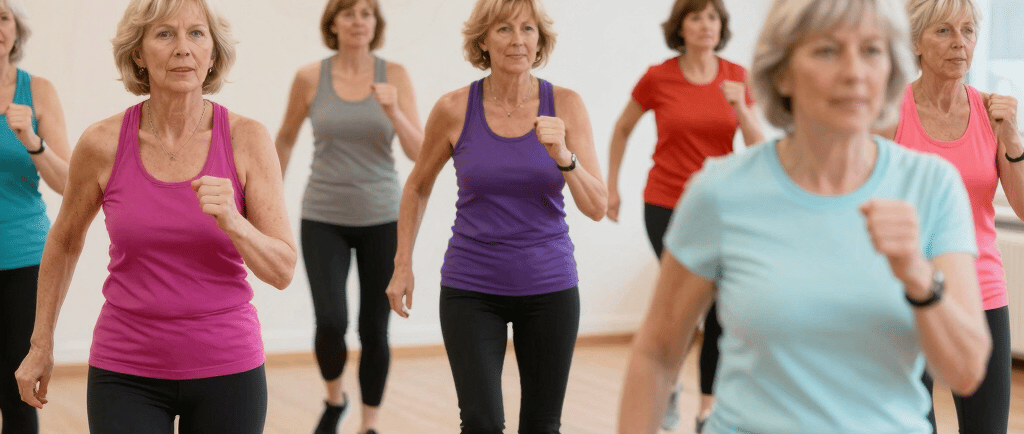
Incorporating arm movements while walking can also amplify calorie burn. Using your arms actively engages additional muscle groups, encouraging higher energy expenditure. Consider pumping your arms rhythmically in sync with your strides to enhance movement efficiency. Furthermore, thoughtfully adding light weights, such as wrist or ankle weights, can further increase resistance, promoting additional muscles to engage during your walk.
Integrating hills or steps into your walking routine can have a significant impact on how many calories you burn. Walking on an incline requires more effort, thus increasing heart rate and enhancing calorie expenditure. If natural inclines are not available, consider using a treadmill or finding local parks with hilly terrain. Additionally, choosing stairs instead of elevators or escalators can effortlessly elevate your workout.
Incorporating these small adjustments into your daily walking regimen can lead to substantial health benefits and improved calorie burn. By gradually increasing pace, adding arm movements, using weights, and integrating varying terrains, you will not only enhance your fitness routine but also support your weight management goals.
Tips for Reaching 10,000 Steps
Achieving the 10,000-step goal can be an enriching experience for women aged 50 and above, and there are several practical steps to incorporate more walking into daily routines. Start by setting realistic incremental goals, particularly if you are new to walking or physical activity. Instead of trying to walk 10,000 steps immediately, begin with a smaller target and gradually increase your daily count.
Finding innovative ways to incorporate movement into your day can make a significant difference. Simple changes, such as opting for stairs instead of elevators, parking further from store entrances, or taking brief walking breaks while watching television can contribute to your step count. Additionally, consider engaging in social activities that involve walking, such as joining a walking club or participating in community fitness events, as this not only adds steps but also enhances motivation through social interaction.
The importance of gradual progression cannot be overstated. Walking too much too soon can lead to discomfort or injury, discouraging you from continuing. A well-structured plan may involve increasing your daily step goal by 500-1,000 steps each week until you reach the desired target. This approach allows your body to adapt and builds your endurance over time.
To maintain enthusiasm, set up a reward system for yourself as you reach certain milestones. Whether it is treating yourself to a favorite healthy meal or indulging in a relaxing activity, having something to look forward to will help keep motivation high. Using pedometers or smartphone apps can also visualise your progress, thus promoting a sense of accomplishment. Ultimately, consistency and enjoyment in the journey are pivotal for reaching and sustaining a daily step count of 10,000 steps.
Safety Precautions While Walking
Engaging in physical activities, such as walking, is beneficial for overall health, especially for women aged 50 and above. However, incorporating adequate safety precautions is essential to prevent injuries and promote a positive experience. First and foremost, it is vital to gradually increase your step count. Jumping into a challenging walking routine may lead to strain or fatigue, so take the time to build your stamina. Start with short distances, allowing your body to acclimate to regular walking before targeting 10,000 steps.
Listening to your body is another critical aspect of walking safely. Pay attention to how your muscles and joints feel during and after your walks. If you experience pain or discomfort, it is advisable to take breaks or reduce your walking distance. Recognizing the signs from your body and acting accordingly can prevent more severe injuries that may require medical attention.
For older adults, maintaining joint health is particularly important. Incorporating low-impact exercises such as stretching or strength-building activities can enhance flexibility and provide support to the joints. Moreover, walking on softer surfaces, such as grass or dirt trails, can alleviate impact compared to hard pavements. Proper footwear that offers adequate support and cushioning is also crucial in safeguarding against the risk of injury.
Lastly, consider walking in pairs or groups when possible. This not only enhances motivation but also ensures safety, allowing for immediate assistance in case of mishaps. Following these safety tips will help create a healthier and more enjoyable walking experience, as you work toward achieving your daily step goals. Prioritizing your safety as you increase your physical activity can lead to long-term benefits for your health and well-being.
Health Benefits of Walking for Women Over 50
Walking is a simple yet effective form of exercise that can be particularly beneficial for women aged 50 and older. Regular walking contributes significantly to cardiovascular health, promoting better blood circulation and reducing the risk of heart disease, which is crucial as the body undergoes various changes with age. Engaging in this low-impact activity helps to maintain a healthy weight, as it can burn calories and improve overall metabolism.
For women in this age group, weight management becomes increasingly important. Walking not only aids in maintaining body weight but also supports muscle mass preservation, which is vital for metabolic health. Including 10,000 steps in daily routines can contribute significantly to calorie expenditure, thereby supporting weight loss or management goals without the strain that more intense workouts may cause.
Moreover, walking has considerable mental health benefits, which are especially crucial during and after the transition into menopause. Regular physical activity, such as walking, has been shown to reduce symptoms of anxiety and depression while enhancing mental clarity and emotional well-being. The rhythmic nature of walking can also foster mindfulness, providing a serene opportunity for reflection.
Additionally, engaging in regular walking can play a pivotal role in preventing age-related diseases. Studies suggest that consistent walking lowers the risk of chronic conditions such as type 2 diabetes, osteoporosis, and certain cancers. The ability to stay active and mobile is essential for maintaining independence and quality of life as one ages.
In conclusion, walking is an accessible and powerful form of exercise that offers numerous health benefits for women over 50. Its role in promoting cardiovascular health, assisting with weight management, and supporting mental well-being highlights why it is a brilliant exercise choice for older women.
Conclusion and Encouragement
In conclusion, understanding the calories burned by walking 10,000 steps can greatly benefit women aged 50 and above. This physical activity not only aids in weight management but also enhances overall health. Engaging in a daily routine of walking is a practical approach to improve cardiovascular fitness, strengthen bones, and boost mental well-being. Research suggests that reaching this goal can yield significant health advantages, such as increased longevity and a lowered risk of chronic diseases.
As you embark on this journey, it is essential to set personal goals that are both attainable and inspiring. Whether it’s starting with a modest number of steps and gradually increasing towards 10,000, or incorporating short walks into your day, every step counts. Embracing walking as an enjoyable activity can transform exercise from a chore into a refreshing routine. Consider exploring different locations for your walks—parks, shopping centers, or even local neighborhoods— to keep things interesting and varied.
Celebrate your progress, regardless of the milestones achieved. Recognizing achievements, even those that seem small, promotes a positive mindset and encourages consistency. Remember that enhancing your physical health is a journey, not a race. Adopting a walking routine can lead to a more active lifestyle, improved mood, and enhanced overall well-being.
Therefore, take this opportunity to integrate walking into your daily life. Whether with friends, family, or even a pet, sharing this experience can further enhance the enjoyment and benefits. Commit to your health, set those goals, and start walking—your body and mind will thank you for it!